

Last checked: 21 October 2026. Rules on entry, payments and batteries change often. Where a fact can change, we link the official page so you can recheck it yourself before you fly.
Most China trips that go wrong don't go wrong at the Great Wall. They go wrong at a noodle stall when the payment won't go through, at a station gate when the name on the ticket doesn't match the passport, or at airport security when a power bank gets confiscated. This guide is about those moments: what to set up at home, what to do on arrival, and how to recover when something fails.
It covers mainland China. Hong Kong and Macao have different immigration, payment apps and plugs; see Hong Kong and Macao are different.
The 2-minute checklist
Weeks before
- Confirm your entry route for your passport and dates: 30-day visa-free, 240-hour transit or a visa (Entry).
- Check your dates against Chinese public holidays; trains and timed tickets sell out.
- Check your phone is unlocked and eSIM-capable, or plan a physical SIM.
1–2 weeks before
- Buy and install a travel eSIM at home; keep your home line on for bank codes.
- Set up Alipay (primary) and WeChat Pay (backup) with your passport and at least one card. Add a second card from a different bank or network.
- Check whether your bank needs a travel notice and what it charges for foreign transactions.
- Register on 12306 or Trip.com and enter each traveller's name exactly as in the passport.
- Download offline translation languages and test them in airplane mode.
- Save every hotel and stop with its Chinese name, branch and full Chinese address.
Days before
- Complete the free official arrival card if required for your entry category.
- Book train tickets the day sales open; book timed attractions at their release time.
- Pack: power bank with a clear CCC mark (for domestic flights), plug adapter, medicines with prescriptions, modest RMB cash, printed or offline hotel address.
On arrival
- Switch data to the eSIM, make one small test payment, and keep a secure offline copy of your passport and entry record. The copy does not replace the original.
1. Entry: check your exact route
There are three common ways in. Which one applies depends on your passport, your dates and, for transit, your onward ticket. Don't rely on a nationality list copied into a blog post (including this one): check the official source for the passport you will travel on.
| Route | Who / what | Key conditions | Where to check |
|---|---|---|---|
| Visa-free entry | Holders of eligible passports, for permitted purposes | Eligibility, duration and expiry depend on your passport and travel dates; bilateral agreements and temporary schemes differ. | Chinese government visa-free notice; confirm with your Chinese embassy |
| 240-hour visa-free transit | Eligible passports travelling onward to a third country or region | Approved ports and permitted areas only; confirmed onward travel is required. Returning to the same country or region you arrived from does not qualify. | NIA policy interpretation |
| Visa | Everyone else, longer stays, work, study or journalism | Apply before travel | Your nearest Chinese embassy or consulate, or a Chinese Visa Application Service Center where one serves your country |
Check the whole route, not just the flight into China. For transit, compare the country or region immediately before and after the mainland stop. For a future trip, check that the relevant policy covers your arrival date. Verify passport validity, purpose, permitted area and onward-ticket requirements with the official notice and your airline before paying for non-refundable travel.
Arrival card. Since 20 November 2025 you can fill in the arrival card before you fly on the official NIA arrival-card site, in the "NIA 12367" app, or in the WeChat/Alipay mini-programs. NIA warns that fake look-alike sites charge fees; the real one is free (NIA notice). If you didn't do it in advance, you can still use a QR code, an on-site kiosk or a paper card at the port.
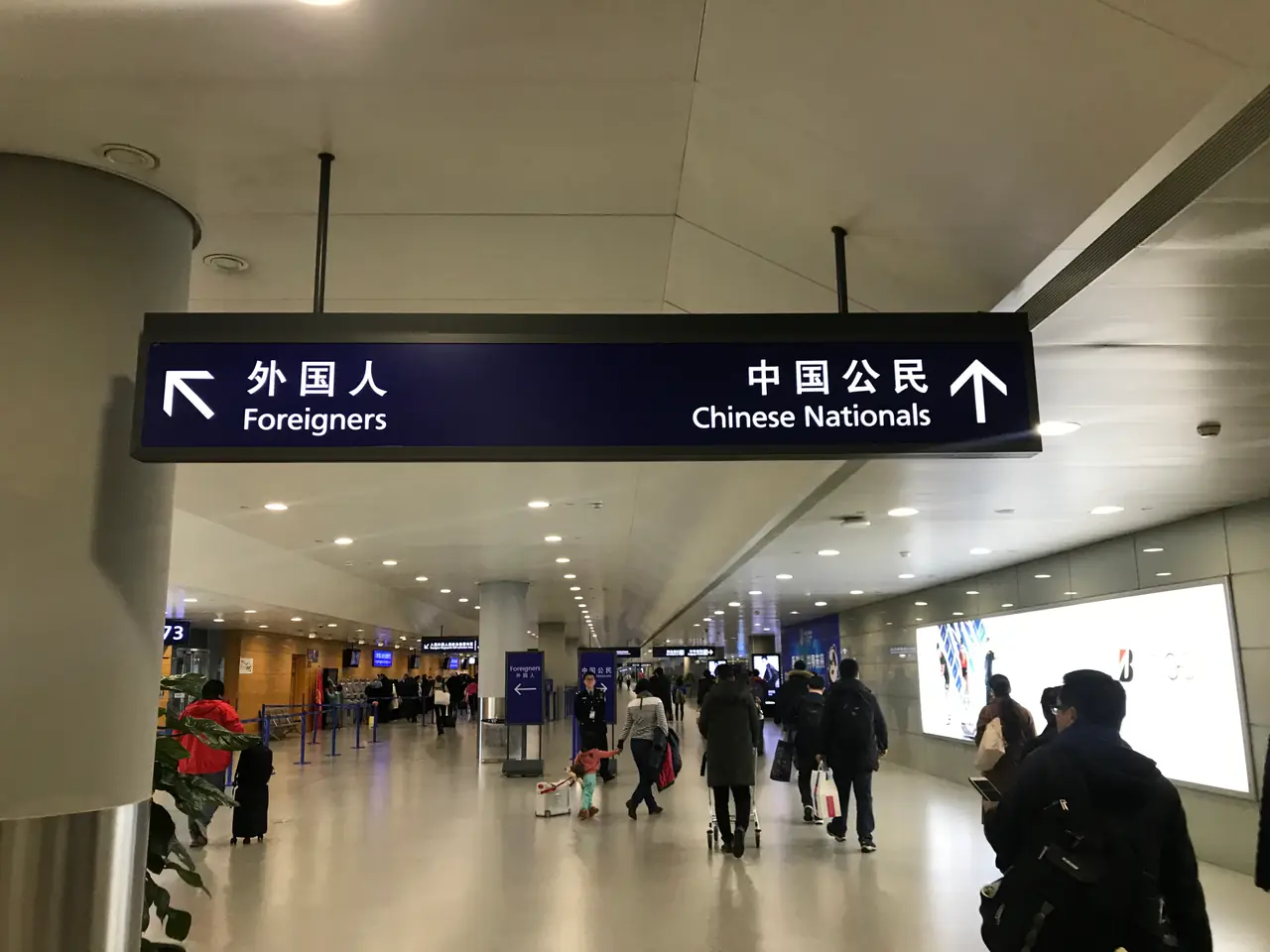

Holidays. Check the State Council’s calendar for your travel year, including adjusted working weekends (2026 official holiday notice). Spring Festival and the National Day period around 1 October are particularly busy. Expect scarce train seats, crowds and some closures; choose other weeks if your dates are flexible.
2. Data: eSIM, roaming or local SIM
You will use your phone for payment, maps, ride-hailing, translation and tickets. Losing data at the airport is the single most disruptive failure, so set this up at home.
Your three options
| Option | Best for | Watch out for |
|---|---|---|
| Travel eSIM (bought online, installed at home) | Most visitors with an unlocked, eSIM-capable phone | Usually data-only (no local number). What you can reach depends on the exact plan. |
| Home-carrier roaming | Short trips, people who don't want to change settings | Price; check your carrier's China pass |
| Local physical SIM (China Mobile, Unicom or Telecom) | Longer stays; anyone who needs a +86 number for local SMS | Requires passport real-name registration at an official carrier counter or store; subject to mainland internet rules |
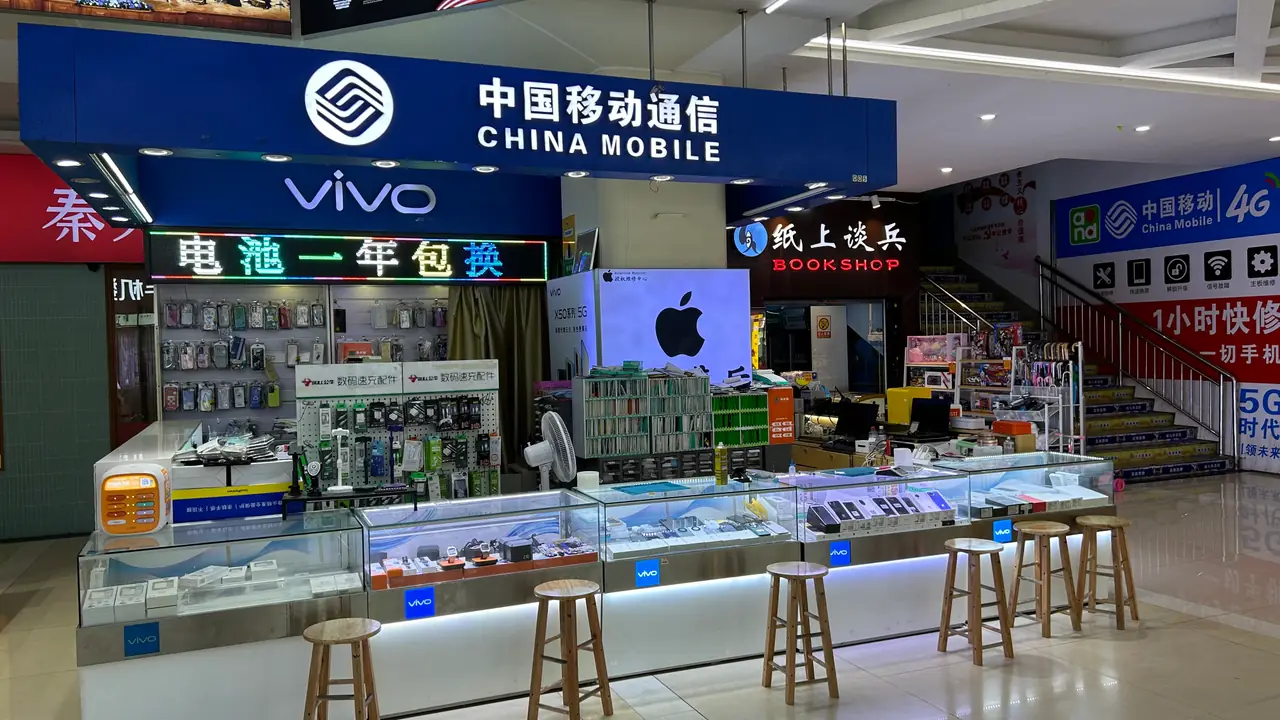

Travel eSIM and mainland-carrier eSIM are different products. Apple says mainland-carrier eSIM activation requires a supported mainland-purchased iPhone; this does not mean an overseas roaming eSIM cannot work in China. Check your exact device model and purchase region (Apple: eSIM while traveling). On iPhone, Settings > General > About > Carrier Lock should say “No SIM restrictions”.
Choosing a travel eSIM
Several providers sell China plans. Compare at least two, and read recent reviews of the exact plan, not just the brand. These are options to compare, not a claim that we have field-tested every plan. The links below are ordinary provider links.
| Provider | Why look | What to check on the plan page |
|---|---|---|
| Trip.com China eSIMs | Often worth comparing first on price. It's a marketplace listing many plans (mainland-only and mainland + Hong Kong + Macao; daily or total data). | Which seller and network; daily vs total allowance; what the listing says about overseas apps; refund terms. Read the exact listing rather than the guide’s headline. |
| Nomad China eSIM | Fixed and unlimited plans; Nomad says hotspot/tethering is supported and some plans include a local number | Activation: Nomad says plans start when they connect at the destination and must be activated within 60 days of purchase |
| Airalo China eSIM | Airalo states its plans covering China use international roaming routing and that no VPN is required while you're on eSIM data, not hotel Wi-Fi (Airalo help) | For "unlimited" plans, Airalo's default fair-use rule slows you to 1 Mbps after 3 GB in a 24-hour period, unless the package states a different threshold (fair-use policy) |
| Your home carrier's roaming pass | No new setup; often keeps calls and SMS | Daily cost × days; data cap |
What "works with Google" really means. Many travel eSIMs route your data through a network outside the mainland, so apps like Google Maps, Gmail or WhatsApp may work without a separate VPN app. That's a property of the specific plan's routing, not of eSIM technology, and it does not guarantee every app will work. Hotel and café Wi-Fi in the mainland is different: it follows local internet rules, so services that work on your eSIM may not load on Wi-Fi.
A useful Reddit caution: one traveller reported reliable Trip.com eSIM data during a ten-day trip while a particular overseas app still failed. This is one experience, not a provider-wide test (trip report, accessed 21 October 2026). Test the services you depend on and save important information offline.
Checklist for any plan:
- Total vs daily allowance. "1 GB/day" resets daily; "10 GB" is for the whole trip.
- Throttling after the limit, and the speed you drop to.
- Hotspot allowed? (Important if one phone shares with companions.)
- Validity and when the clock starts (on install, or on first connection in China).
- Coverage: mainland only, or mainland + Hong Kong + Macao?
- Data-only or SMS/number? Most are data-only.
- Phone compatibility. Check the device is eSIM-capable and unlocked.
Install at home, switch on in China. Install the eSIM over Wi-Fi before you leave, after checking whether installation starts its validity clock. Save the installation instructions somewhere you can access without that phone. On landing, turn on that line, set it as your cellular data line and enable Data Roaming for it. If it won't connect, toggle airplane mode or restart.
Keep your home number for codes. Leave your home SIM or eSIM active for calls and SMS (data off to avoid roaming charges). Banks and travel apps may text verification codes to it. Disable automatic cellular-data switching as well as home-line data roaming. Check your carrier’s charges for calls and SMS; keeping the line active is not a promise of free roaming.
3. Payments: Alipay, WeChat Pay, cards and cash
The setup that works for most visitors
- Alipay as your main wallet. Download the standard Alipay app (not AlipayHK, which is a Hong Kong wallet), verify with your passport, and add an eligible international card.
- WeChat Pay as backup. In WeChat: Me > Services > Wallet, then add a card. Some small businesses only show a WeChat code.
- Two cards from different banks or networks. If one bank declines or blocks, another often works. Ask your bank to allow transactions in China.
- A modest amount of RMB cash in small notes for the payments that still fail (below).
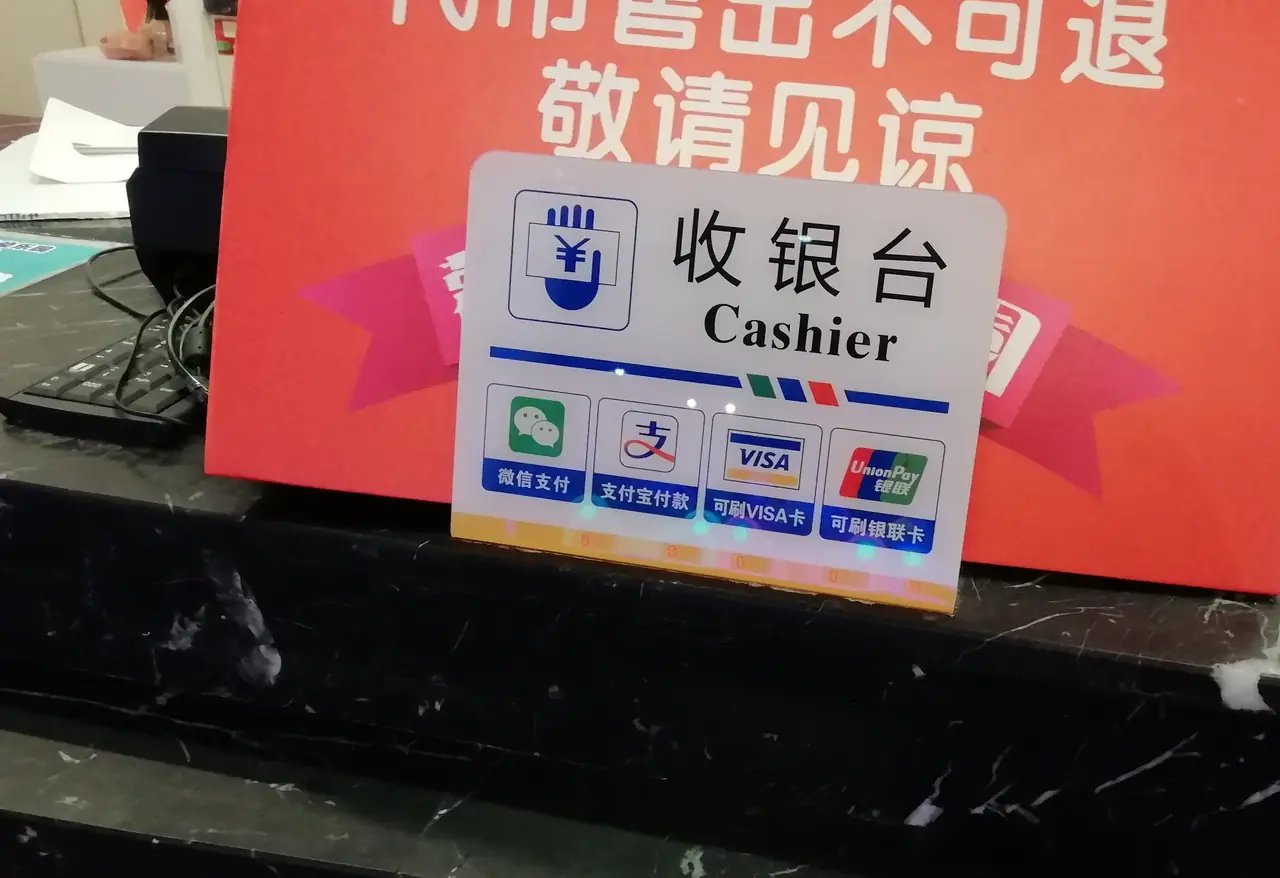

Finish identity checks before departure. A linked card is not proof that payment will succeed. Check verification status and your account’s spending limits in each wallet, then make a small merchant payment after arrival. Keep access to the phone number and bank authentication you used to register.
The RMB 200 rule, with worked examples
Shanghai's official guide: a transaction of RMB 200 or less is generally exempt from the platform service fee; above RMB 200, a fee of 3% of the full transaction amount may apply. Check the payment page before confirming, because promotions can waive it (same Shanghai guide).
| Single payment | Platform fee (ordinary rule) | You authorise |
|---|---|---|
| RMB 180 dinner | RMB 0 | RMB 180 |
| RMB 200 exactly | RMB 0 (200 or less) | RMB 200 |
| RMB 300 | 3% × 300 = RMB 9 | RMB 309 |
| RMB 1,200 hotel balance | 3% × 1,200 = RMB 36 | RMB 1,236 |
Your bank's fees are separate. Your issuer may add a foreign-transaction or currency-conversion fee on top, and its exchange rate applies. A no-foreign-fee card removes your bank's charge, not the platform's 3%.
The threshold is per payment, not per day. Do not confuse it with daily promotion limits or the separate shopping tax-refund minimum.
WeChat Pay first-time waiver (check eligibility). Tencent said in June 2026 that it waives international card processing fees for first-time users for their first 90 consecutive days, up to RMB 1,000 per day, and that all users pay no fee on payments of RMB 200 or less (Tencent, June 2026). Promotions change and eligibility is decided by the app, so trust the fee shown on the payment screen.
For big payments (hotel deposits, tours, electronics), compare: wallet + 3% + your bank's fee versus paying with a physical card directly at a terminal displaying your card's logo. Some hotels, malls and taxis accept overseas cards at POS terminals (Shanghai guide).
Why payments fail even when Alipay "works"
Merchant payment vs personal transfer. A linked overseas card is for paying businesses. Guangzhou's official payment handbook says overseas cards in Alipay don't support person-to-person transfers or red packets (Guangzhou payment handbook, 2024). A vendor may display a personal collection code. Your card can be rejected there even though the vendor “takes Alipay”. Merchant type alone does not tell you which code they use.
What to try, in order:
- Ask whether they have a business/merchant code: 有商家码吗? (yǒu shāngjiā mǎ ma?)
- Show your payment code for them to scan instead of scanning theirs: open Alipay > Pay, and say 你扫我 (nǐ sǎo wǒ, "you scan me"). This is worth trying if the merchant has a scanner; it does not turn a personal transfer into a supported merchant payment.
- Try WeChat Pay.
- Pay cash.
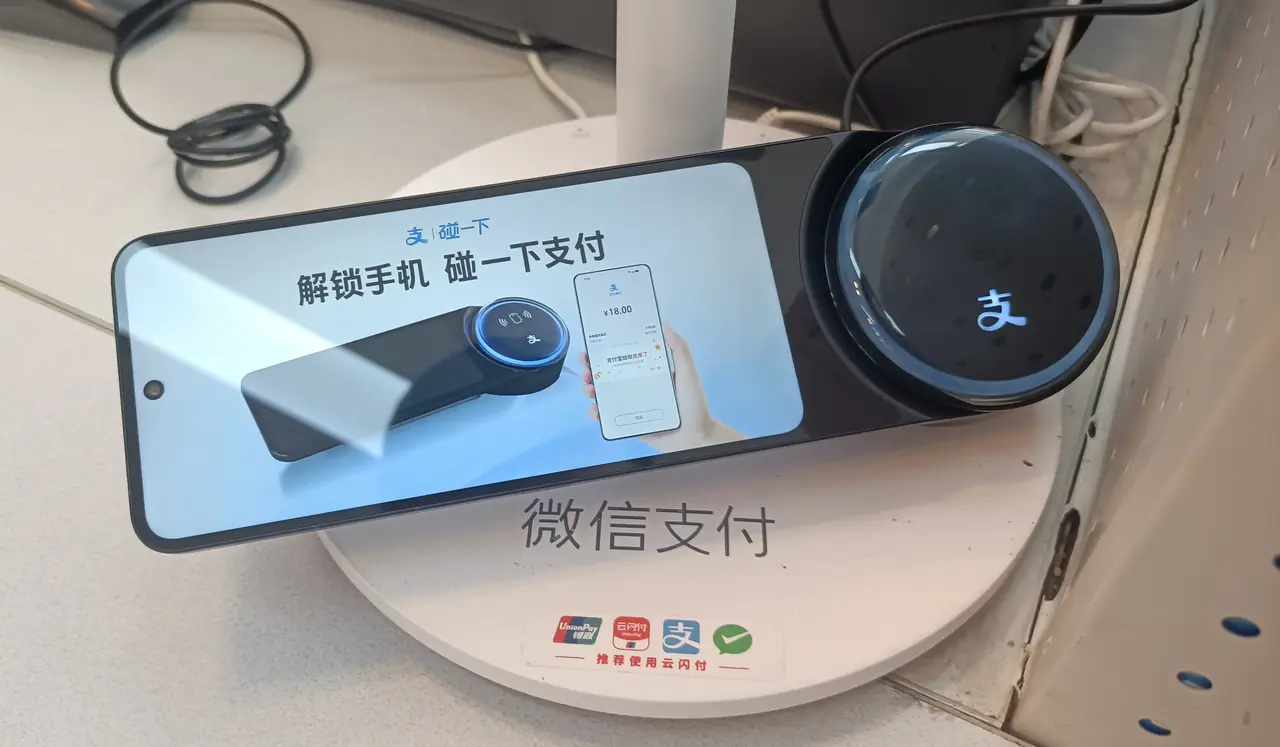

Other common causes: your bank's fraud block (approve the alert in your banking app, or try your second card); passport verification not finished; a transaction above your account's limit.
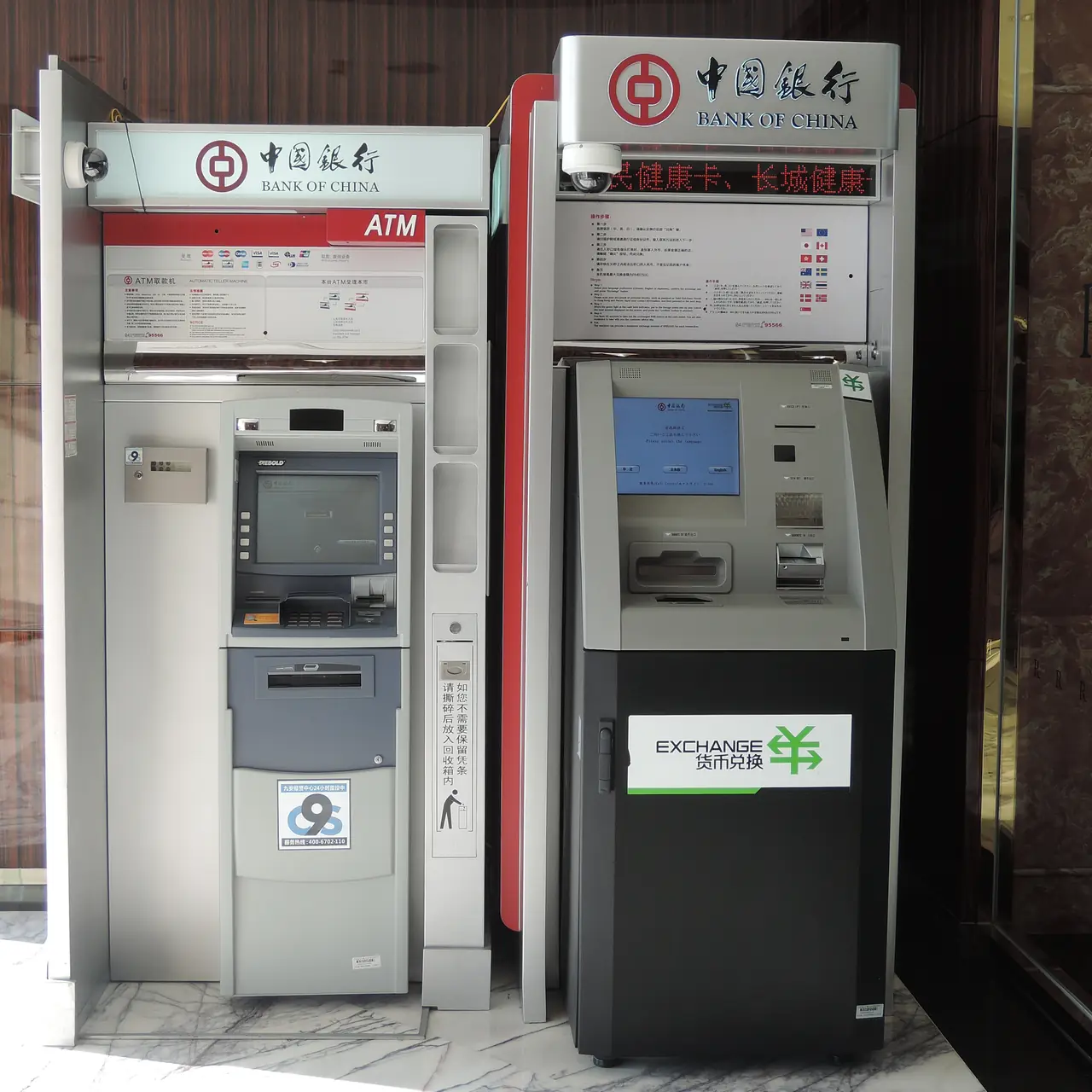
Cash still matters. Carry small RMB notes and keep them separate from your phone. Use an ATM displaying your card network’s logo; check withdrawal fees and limits with your issuer. Decline optional conversion to your home currency if you want your card issuer to handle the exchange. Large notes can be awkward when a vendor has little change. Reddit accounts disagree: some visitors never need cash, while others describe wallet blocks or outages (cash discussion; foreign-card payment experiences, accessed 21 October 2026). These are anecdotes, not acceptance-rate statistics.

Prepaid wallets (optional)
Older guides use “Tour Pass” and “TourCard” for prepaid products and mini-programs. Availability and onboarding routes have changed; do not assume an old Alipay or WeChat walkthrough still applies.
The current product we could confirm is UnionPay's Nihao China app with a Tour Wallet. You can top up a "Tour Balance" or bind a card, then pay by scanning merchant QR codes (UnionPay International: Nihao China).
We could not find a current official fee schedule for Tour Wallet top-ups, limits, expiry or refunds of unused balance. Third-party guides quote figures that contradict each other. A 2024 Guangzhou guide to the earlier UnionPay Tour Card said the top-up fee was shown on the top-up page and that the proportional fee on any remaining balance was refunded when the card was cancelled (Guangzhou handbook); that describes an earlier product, not today's.
For a low-cash setup: keep both card-linked wallets, then consider Nihao China only after you can see and accept its current terms. Check (1) the top-up fee, (2) any payment fee, (3) refund or closure fee, (4) whether the original top-up fee is returned, (5) refund destination and timing, and (6) balance expiry. Save those terms, load a small amount and test a merchant purchase before loading more. A displayed 5% top-up fee would cost RMB 25 on RMB 500; this is an illustration, not a verified current fee. We cannot responsibly give a numeric current exit fee because the official page does not publish one. A prepaid balance is not necessarily a full Chinese bank account and is not a guarantee of every QR payment succeeding. Keep emergency cash even if you expect to use it rarely.
4. Translation and Chinese addresses
Offline translation: set it up and test it
iPhone (Apple Translate, built in).
- Go to Settings > Apps > Translate > Languages and download English and Chinese (Mandarin – China mainland).
- Set On-Device Translation to Always to force offline processing (Apple: Translate settings).
- Test in airplane mode before you leave: type a sentence, use Conversation, and point the Camera tab at printed Chinese.
Apple's newer Live Translation (for calls, messages and AirPods) depends on device, language and regional availability; don't make it your plan. The ordinary Translate app is enough.
Android, or an alternative on iPhone (Google Translate). Download Chinese and your language on Wi-Fi before departure. After download, camera translation also works offline for those languages (Google: download languages; Google: translate images).
Online Google Translate needs a working route to Google, which local mainland networks and hotel Wi-Fi generally don't provide; some travel eSIM plans do. Downloaded languages remain your offline fallback either way.
Limits to expect: handwritten menus, stylised signs and dialect speech are hit-and-miss. For anything safety-critical (allergies, medicine), use a pre-written card (see Food).
Chinese names and addresses: the thing drivers actually need
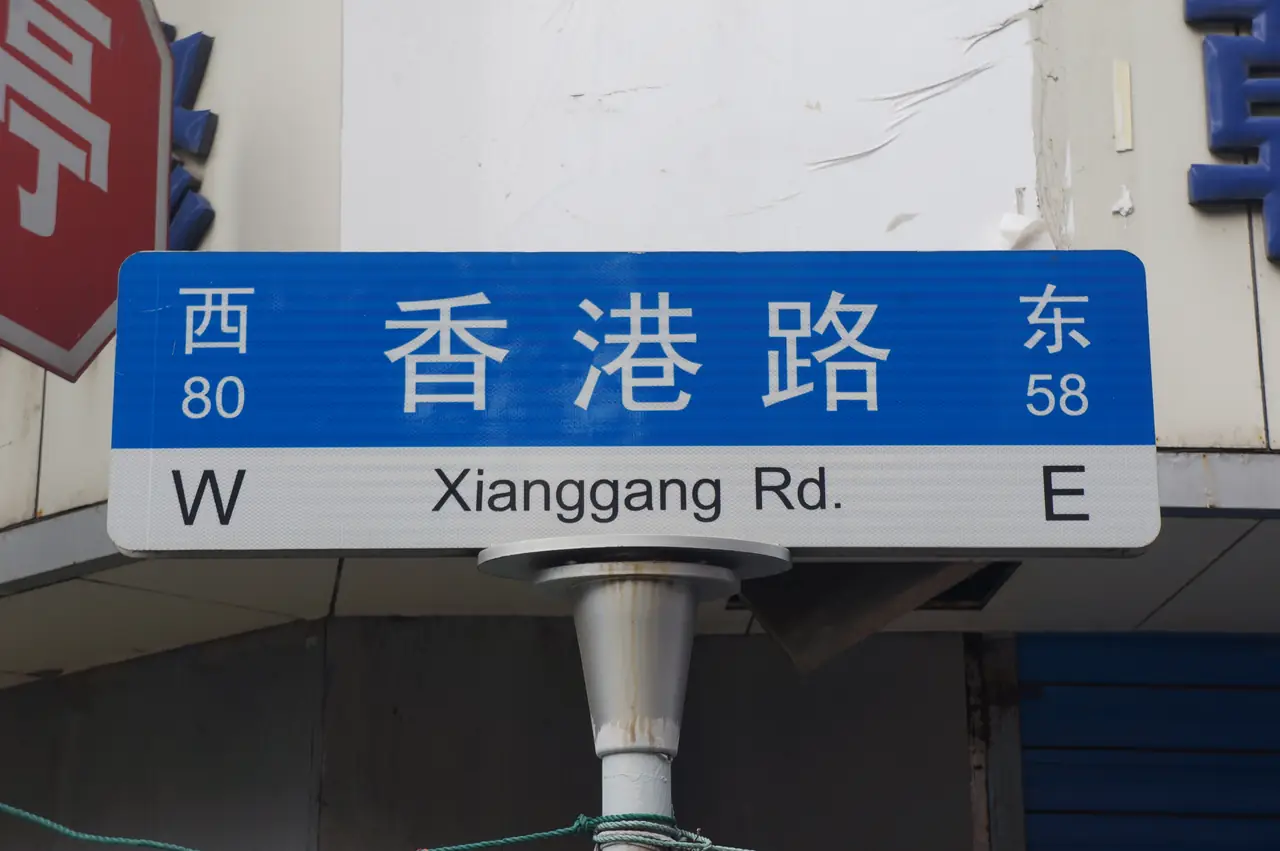
English hotel names often mean nothing to a driver, and chains have many branches in the same city. For every hotel, restaurant and stop, save:
- the Chinese name including the branch (e.g. the "… 店" or "… 分店" part);
- the full Chinese address;
- the entrance if it's not obvious (mall level, gate number, which side of a park);
- a pin or screenshot that opens without data.

If you use Fenuli / China Guide: Travel & Shopping, you can save selected places with their Chinese names and addresses into a trip or an undated collection, with source notes attached. Export the bilingual details before departure and keep a downloaded copy; do not depend on live access while travelling. Coverage is strongest in Shanghai, and availability elsewhere is limited.
Amap (Gaode) in English. Amap offers English and other languages for visitors, covering arrival guidance, navigation, saved hotels, phrase cards and emergency numbers, with core services usable without logging in (Shanghai government on Amap, July 2026). If the app doesn't open in your phone's language, look for the language option in its settings. Even in English mode, paste or show the Chinese address to avoid wrong matches.
5. Trains: Trip.com or 12306
Easiest default: Trip.com. It has an English interface and takes international cards, and lets you place an order before sales open on some routes.
Before paying, read the total price and decline any optional extras you do not want. An order placed before tickets are released is a request, not a ticket: you're only booked once the order shows as issued, with a train, carriage and seat.
Official alternative: 12306 (China Railway), in English. 12306 has an English website and an English mode in its app, and sells at the official fare. Foreign passport holders can verify identity online or by uploading passport photos; unverified accounts can't buy tickets. If verification stalls, a station ticket counter can verify you with your original passport (12306 rules, effective 1 June 2026).
Verification can take time. Start before your first travel day and keep a station-counter fallback. A booking agent’s confirmation email is not a substitute for an issued ticket.
Rules worth knowing (12306 passenger rules):
- Name: use your passport’s English name in passport order, with spaces; follow the fields shown by the booking service.
- Original passport: carry the same document used to book. A photo or printed itinerary is not the boarding credential.
- Children: ages 6 to under 14 need child tickets; 14+ pay adult fare. One under-six per paying adult can travel free without a separate seat, but must be declared. Book a child ticket for a separate seat and carry the child’s ID.
- Changes, refunds and luggage: check your train’s current rules before payment; baggage dimensions, restricted items and change fees are separate from the fare.
Book when sales open. Trip.com describes the usual window as 15 days ahead; use the release time shown for your actual departure station. A pre-order does not reserve inventory. Check the station’s full name: Shanghai and Shanghai Hongqiao, for example, are different stations. Allow a generous arrival buffer for security and walking, particularly on your first trip.
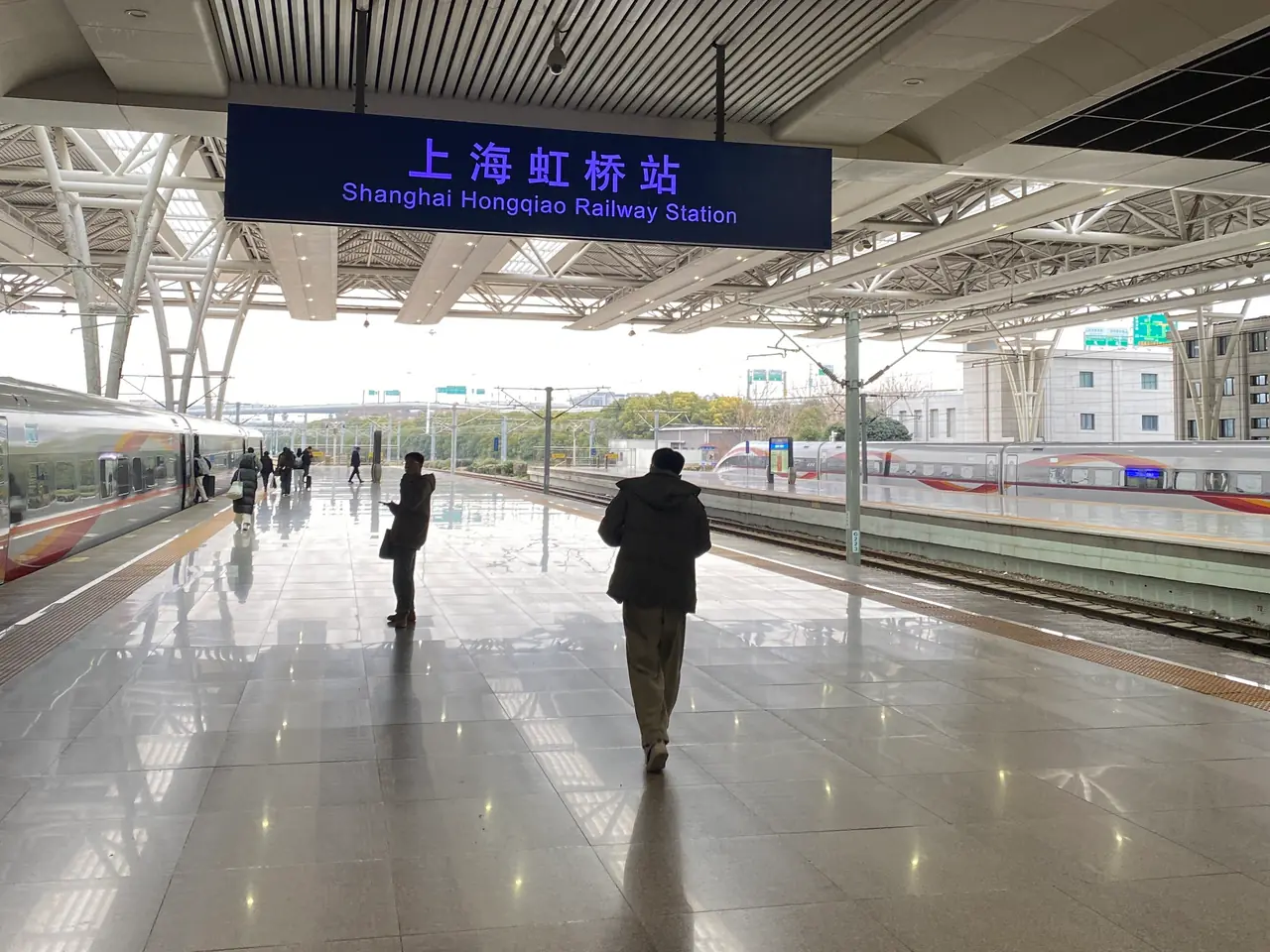

At the station: arrive well before departure (security, plus a long walk to the platform at big stations). Many gates read Chinese ID cards only. If your passport won't open an automatic gate, use the staffed lane.


6. Arrival day, hotels and registration
Landing. Switch on your eSIM, then make one small payment at a convenience store to prove your wallet works before you need it.
For late-night arrivals, have your hotel's Chinese address offline. Use the airport's signposted taxi rank or the ride-hailing pickup zone (网约车, wǎngyuēchē), not touts in the arrivals hall.

Hotels must register you. Hotels register foreign guests and submit the information to local police within 24 hours. In 2024 the authorities said hotels must not refuse foreign guests by claiming they lack the qualifications to host them (Shanghai government, May 2024).
That's national guidance, not a guarantee about any particular property. For small guesthouses and budget chains, message the hotel before booking to confirm it accepts foreign passports. Keep the booking confirmation with the Chinese name.
Staying with friends or in a private rental? You (or your host) must register with police within 24 hours of arrival. Since 21 September 2026 this can be done online nationwide via the NIA website, the "NIA 12367" app, or its WeChat or Alipay mini-programs, with the same legal effect as registering in person (NIA notice No. 7 of 2026).
7. Getting around cities
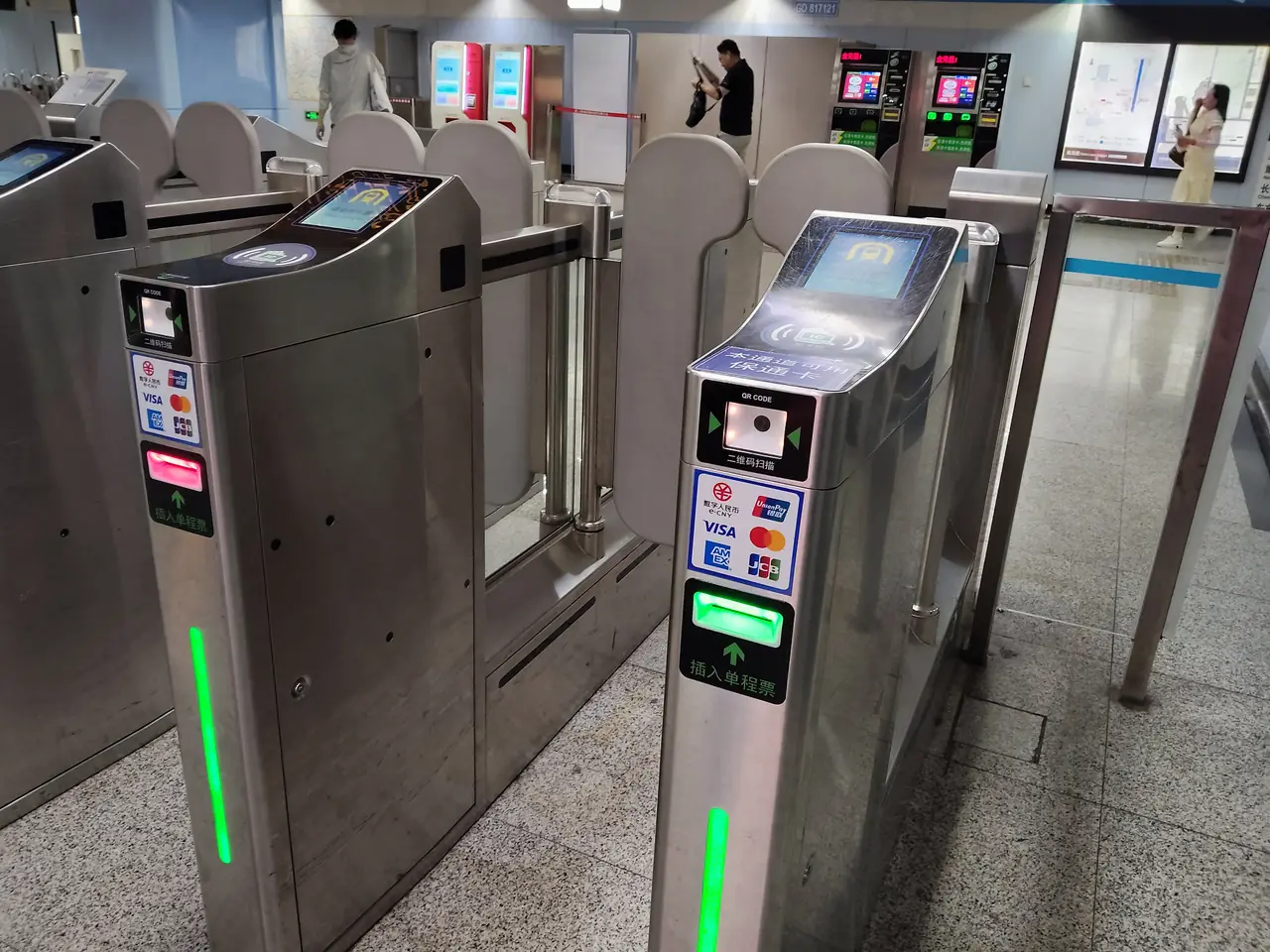
- Metro: many cities let you pass gates with the transit QR inside Alipay or WeChat (search the city's metro in the app). Coverage and rules vary by city; some travellers find the metro works but buses don't. Ticket machines and service counters are the fallback, so keep small notes. In Shanghai, the Shanghai Metro English site has a route and fare planner and the network map.
- Ride-hailing (DiDi): the most-used app; travellers commonly use the English version or DiDi inside Alipay. Type or paste the Chinese address. Drivers often confirm the pickup with the last four digits of your phone number. Note your plate number before getting in.
- Street taxis: some accept overseas cards at in-car terminals; many show a personal QR code, so have cash ready.
- Plan by neighbourhood, not checklist. Cities are big and transfers eat hours. Group each day around one or two areas within walking distance, add one indoor backup (museum, mall food hall, tea house) for rain or heat, and leave a rest block, especially with older companions or children.

8. Attractions that need booking
Popular sites often use real-name, timed booking with passport details. For a major museum or landmark, check its official website or mini-program before fixing the rest of your day. Release windows, weekly closure days, child reservations and ticket availability differ; an old blog’s schedule can be wrong. Save the confirmation offline and bring the ID used to book. For example, the Palace Museum in Beijing asks visitors to book online in advance and foreign visitors to give their passport numbers (Palace Museum: plan your visit).


General rules of thumb:
- Find each site's official booking channel and release time, and set an alarm in Beijing time.
- Enter names and passport numbers exactly; a typo can mean refusal at the gate.
- Every traveller usually needs their own reservation, including children and anyone entitled to free entry.
- Be wary of resellers promising sold-out dates.
9. Food, allergies and travelling with others
Ordering. Many restaurants have you scan a table QR code to order and pay in a mini-program. If that fails (language, payment, account), ask staff to take your order and point at photos.
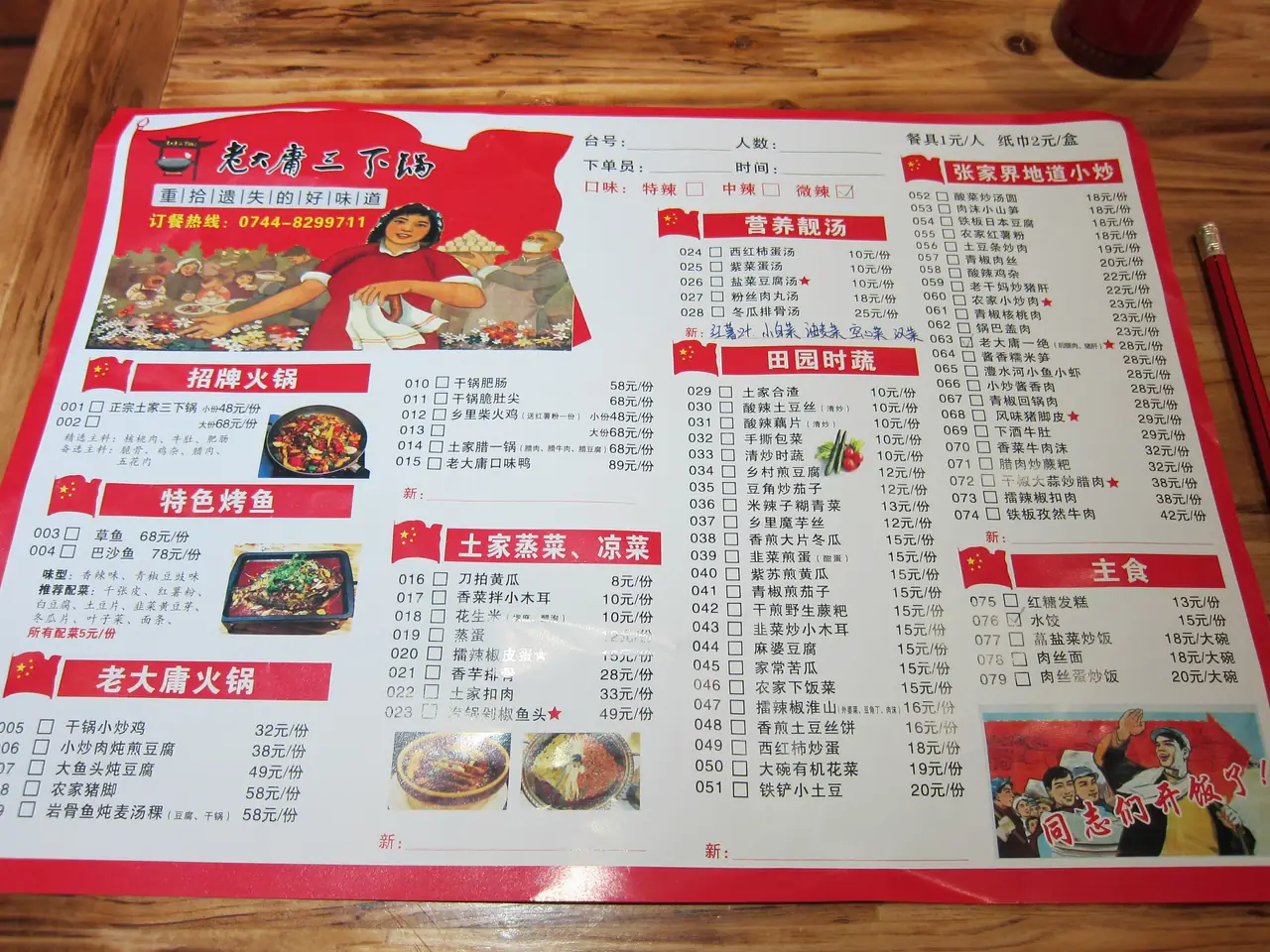

Useful words: 不要辣 (bú yào là, not spicy), 微辣 (wēi là, mildly spicy), 买单 (mǎidān, the bill, please).
Allergy is not preference. Translation apps are fine for "no coriander", not for a severe allergy. Carry a printed card in Chinese, and accept that a busy kitchen may not be able to promise zero cross-contact. If they can't, choose another dish or place.
| Need | Chinese |
|---|---|
| I am severely allergic to peanuts. | 我对花生严重过敏。 |
| Not even a small amount, including the oil. | 一点点都不能有,包括油。 |
| Does this dish contain …? | 这道菜里有……吗? |
| Common allergens | 花生 peanut · 坚果 nuts · 芝麻 sesame · 虾 shrimp · 贝类 shellfish · 鱼 fish · 鸡蛋 egg · 牛奶 milk · 小麦 wheat |
| Does the soy sauce contain wheat? | 酱油里有小麦吗? |
| I'm vegetarian: no meat, fish or seafood, and no meat broth. | 我吃素,不吃肉、鱼、海鲜,也不要肉汤。 |
These phrases are conversation starters, not a complete allergy card. Have a qualified translator or fluent speaker check a card for your exact allergens, including sauces, oils and cross-contact. Carry prescribed emergency medication for the whole trip and discuss your travel plan with your clinician.
Travelling with companions.
- Step-free access must be verified, not assumed. Ask each hotel and site specifically: 有电梯吗? (yǒu diàntī ma?, is there a lift?), 有无障碍通道吗? (is there a step-free route?).
- Stations and big attractions involve long walks. Build rest into the plan and keep timed tickets away from early mornings after long transfers.
- Pack tissues and hand sanitiser; outside newer malls and stations, some toilets are squat-style and may not supply paper. Where is the toilet: 厕所在哪里? (cèsuǒ zài nǎlǐ?)
- Choose one organiser to check documents and bookings, but make sure each adult can access their own passport and tickets. Give companions an offline hotel address and an agreed meeting point in case phones or data fail.
10. Power, batteries, health and weather
Plugs. Mainland electricity is 220 V / 50 Hz. Bring an adapter compatible with your accommodation’s sockets and check every charger’s input label; “100–240 V” devices usually need only a plug adapter. An adapter does not convert voltage (travel plug reference).
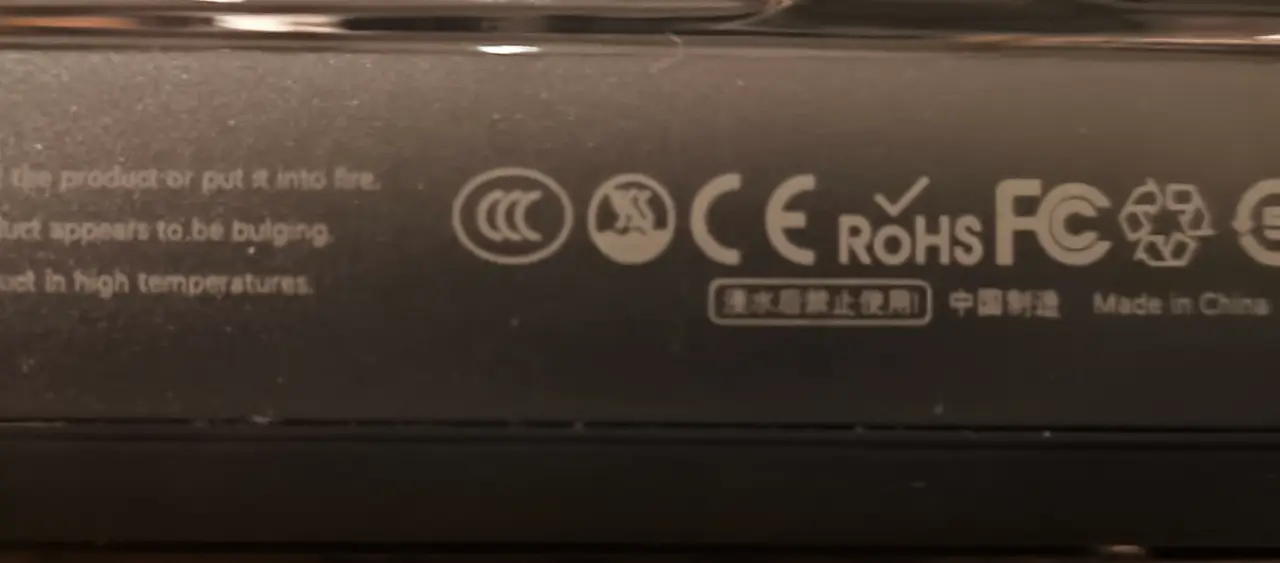
Power banks on flights. Since 28 June 2025, CAAC has banned power banks without a CCC mark, with an unclear mark, or from recalled models or batches on domestic flights (CAAC notice). If your itinerary includes any domestic flight, bring one with a clear CCC mark and readable capacity, or buy a compliant one in China.

Airlines add their own rules. Air China's August 2026 notice, for example, allows at most two power banks per passenger: 100 Wh or less without approval, 100–160 Wh with approval. They must be in the cabin, not checked; you may not use them to charge anything, charge them on board, or put them in the overhead bin (Air China notice, in Chinese). Check your own airline's rules.
Medicines. Shanghai Customs says you may bring a reasonable quantity for personal use. For medicines containing narcotic or psychotropic substances, carry a medical diagnosis or prescription and ID, and keep within the single-prescription maximum (Shanghai Customs FAQ). Keep medicines in original packaging with the prescription, and declare them if unsure. For specific controlled medicines (some ADHD, sleep or strong pain medications), ask a Chinese embassy before travelling.
Water. Use sealed bottled or properly boiled water for drinking. Plan around heat and altitude on the route you actually chose, rather than treating China as one climate.
Insurance and health advice. Buy travel medical insurance that covers hospital deposits and evacuation, and read your own government's advice, e.g. the UK's China health page.
Weather and air. Check forecasts and warnings from the China Meteorological Administration or its official app, 中国天气 (UNICEF China resource list). Plan indoor alternatives for heat, rain and typhoon days on the southern coast, and pack masks if anyone in your group is sensitive to poor air.
11. When things go wrong
Emergency numbers (mainland): police 110 · fire 119 · ambulance 120 (Shanghai public hotline list).
Non-emergency help: 12345 (city service line; Beijing's offers 10 languages including English, per Beijing 12345) and 12367 (immigration). Save your embassy's emergency number before you go.
| Problem | Do this |
|---|---|
| Payment declined | Check whether it's a personal code → ask for 商家码 or try "you scan me" → try your other card → try WeChat Pay → cash. Check your banking app for a fraud alert. |
| No data on arrival | Turn on the eSIM line, set it as the data line, enable Data Roaming, toggle airplane mode, restart. Use airport Wi-Fi to contact your provider. |
| Lost phone | From another device, lock it and mark it lost; call your bank to freeze cards; contact your eSIM provider and home carrier. Keep a paper or offline copy of hotel addresses and key numbers. |
| Lost passport | Report to the local police station and get a receipt → get a passport-loss certificate from the local exit-entry administration → apply to your embassy for a new passport or travel document → apply for a replacement visa/exit document at an exit-entry service centre before leaving (Beijing official guide). Confirm the exact local steps with the police and your embassy. |
| Lost item on a train | Contact 12306; stations log lost property and announce it (12306 rules). |
| Missed train | Ask at the station counter or in the app about same-day rebooking; rules depend on timing. |
Scam awareness. Use only official websites for the arrival card and tickets. Decline unofficial taxi offers at airports and stations. Be cautious if a friendly stranger steers you to a particular tea house or bar.
12. Shopping, gadgets and tax refunds
Tax refunds for visitors. Eligible overseas visitors can apply for a departure tax refund; these are key conditions, not the full eligibility rules, per the State Taxation Administration:
- you spent at least RMB 200 at the same tax-free store on the same day;
- the goods are unused;
- you leave within 90 days of purchase;
- you take the goods with you or in checked luggage.
Some participating stores offer an advance refund at purchase. Ask about the card guarantee, fees, required departure checks and deadlines before accepting it; an advance refund does not remove customs formalities (tax authority guidance). The refund amount is not simply the VAT printed on the receipt. Budget time for the airport’s customs and refund counters.
Ask at the till before paying whether the store is a departure tax refund store, and keep the receipt, invoice and refund form together.
Buying phones and electronics: check the variant.
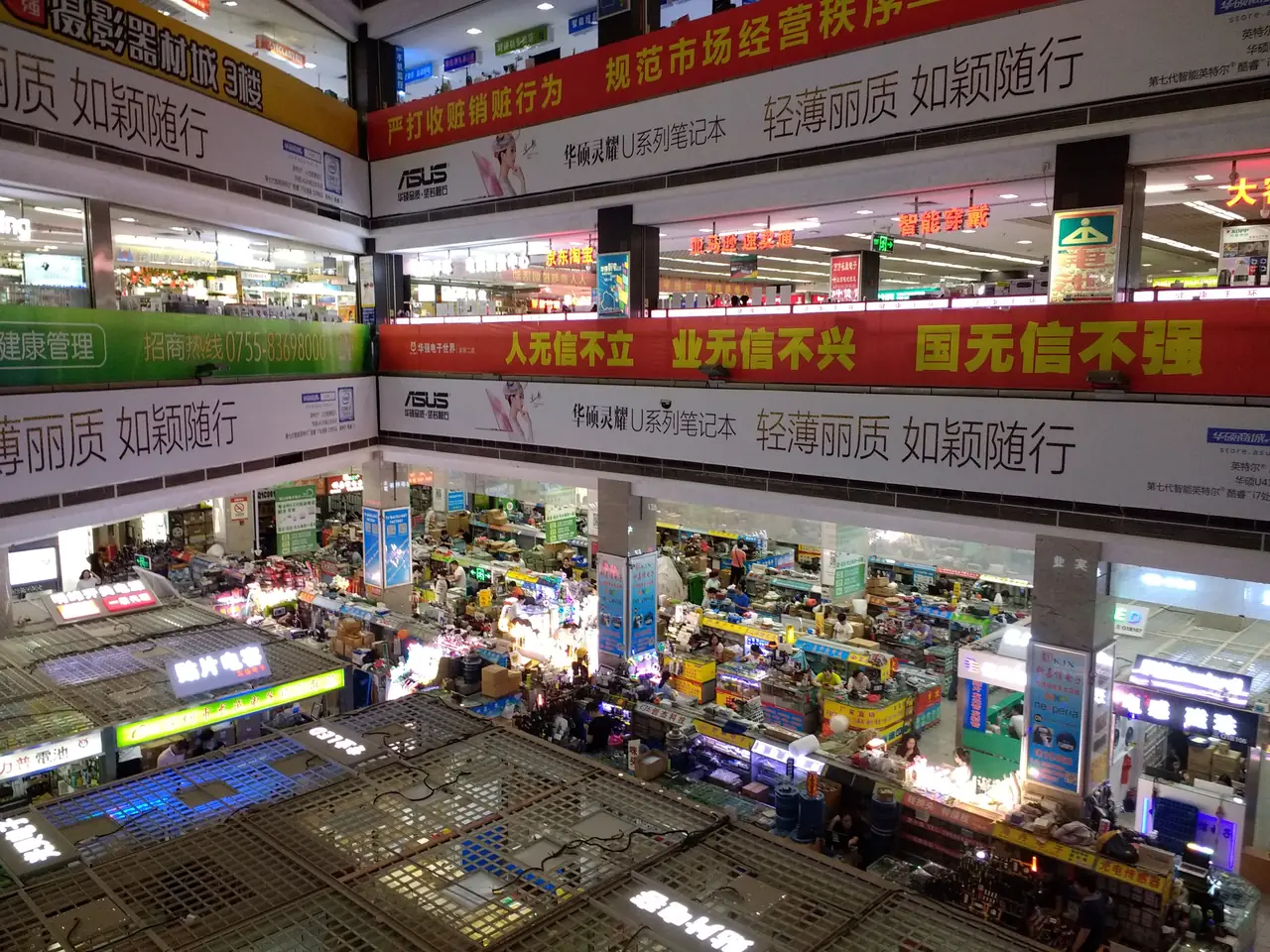

- iPhone SIM/eSIM. Check the exact model number and purchase region against Apple’s current compatibility guidance and mainland eSIM activation rules. Do not assume a phone sold in China has the same SIM configuration or carrier support as the version at home.
- Warranty. Apple says it may restrict warranty service to the country or region where the device was originally sold (Apple warranty terms). Other brands vary; ask before buying.
- Also check: model number and network bands for your home carrier; software region (some China-market Android phones ship without Google services; confirm for the exact model); charger plug; language options.
- Keep the receipt and invoice (发票, fāpiào) for warranty, tax refund and customs.
Customs at home. Check your own country's duty-free allowance and declare anything above it.
If you’re exploring shops before choosing travel dates, an undated collection in Fenuli / China Guide keeps selected places and their Chinese details together. Check product stock, model variants and prices directly with each shop before travelling there.
Hong Kong and Macao are different
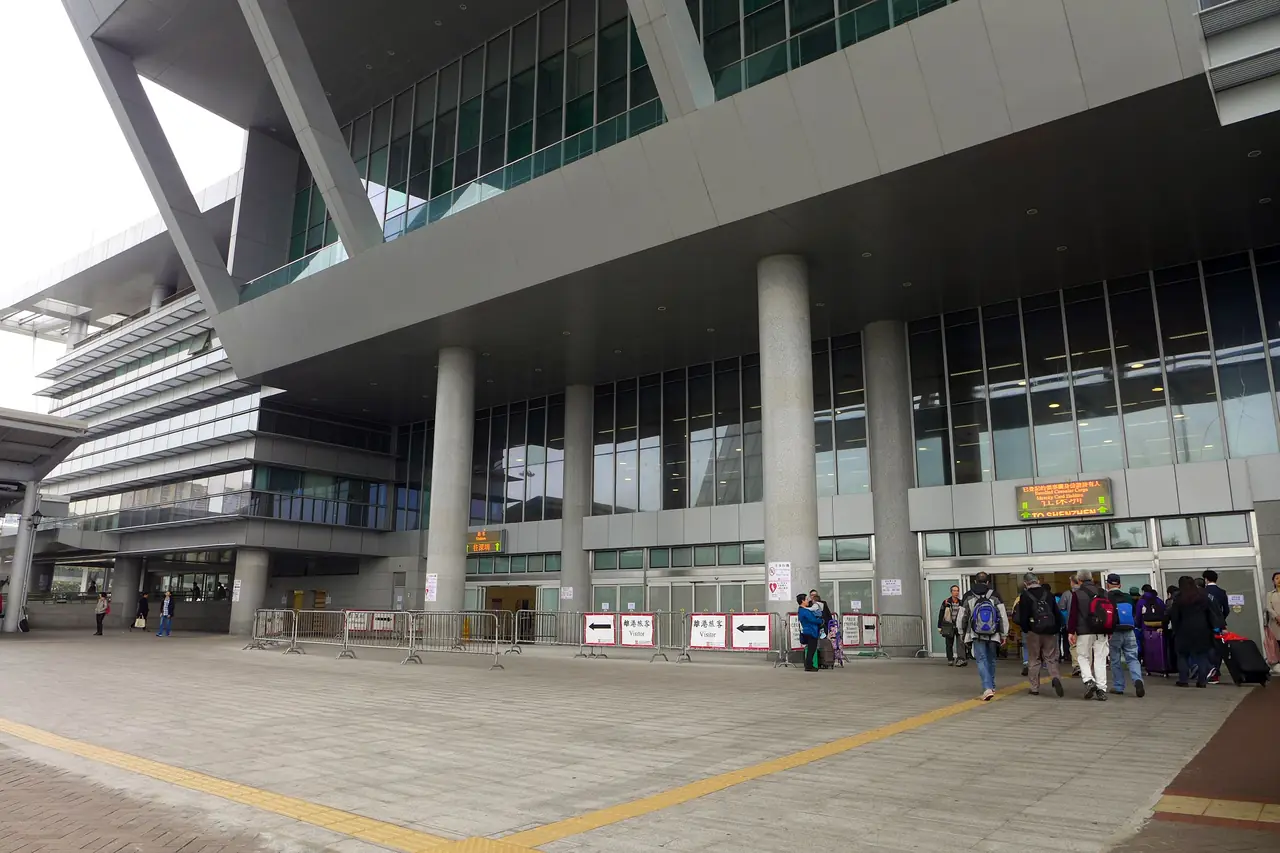

- Separate immigration: crossing between Hong Kong/Macao and the mainland means exiting and re-entering. Check how that affects your visa-free days or transit route (NIA), and Hong Kong’s own entry rules for your passport (Hong Kong Immigration Department).
- Plugs: check each destination and accommodation separately; your mainland adapter may not fit.
- Payments: local wallets (e.g. AlipayHK, WeChat Pay HK) are separate products from the mainland apps.
- eSIM coverage: choose a plan that explicitly includes Hong Kong and Macao if you're visiting them.
Departure-day checklist
- Tax-refund goods unused, with receipts and forms, ready for customs before check-in if required.
- Power banks in hand luggage; CCC-marked for any domestic leg; none in checked bags.
- Unused prepaid wallet balance: follow the refund process you checked at top-up, keep records and retain access to the registered number until the refund arrives.
- Turn your home line back on for data when you land at home.
- Note what worked and what didn't for next time.
Last reviewed on 21 October 2026. Official and operator sources support rules and product terms; linked Reddit discussions provide individual experiences, not policy or success rates. Providers can change fees, limits and promotions. Recheck the linked official source and the terms shown in your own app before paying.
Photo credits
Photos are from Wikimedia Commons under the licences shown. We resized each one and cropped some, as noted; adaptations of CC BY-SA photos are shared under the same licence. They illustrate places and objects at the date shown and are not evidence of today's rules.
- “Pudong skyline at dusk”. Photo: Lloyd Tudor, CC BY-SA 4.0, via Wikimedia Commons; cropped and resized.
- “201812 Immigration Inspection directory Sign at PVG”. Photo: MNXANL, CC BY-SA 4.0, via Wikimedia Commons; resized.
- “China Mobile store (202411131246)”. Photo: 茅野ふたば, CC BY-SA 4.0, via Wikimedia Commons; resized.
- “Signs of Wechat Pay and Alipay in the store in Suzhou”. Photo: Shwangtianyuan, CC BY-SA 4.0, via Wikimedia Commons; cropped and resized.
- “NFC Pay terminal, Alipay”. Photo: HualinXMN, CC BY-SA 4.0, via Wikimedia Commons; resized.
- “Bank of China ATM”. Photo: Mixtures, CC BY 4.0, via Wikimedia Commons; cropped and resized.
- “201611 Name Board of Xianggang Road, Shanghai”. Photo: MNXANL, CC BY-SA 4.0, via Wikimedia Commons; resized.
- “Shanghai Hongqiao Railway Station platform with the Fuxing train (left)”. Photo: Kennyhaidang, CC BY-SA 4.0, via Wikimedia Commons; cropped and resized.
- “Hongqiao Railway Station Waiting Hall 20260322”. Photo: 颐园居, CC BY-SA 4.0, via Wikimedia Commons; resized.
- “Maglev Sign at Shanghai Pudong Airport”. Photo: J. Patrick Fischer, CC BY-SA 3.0, via Wikimedia Commons; resized.
- “Exit gates at Nenjiang Road station-20260711”. Photo: Shwangtianyuan, CC BY-SA 4.0, via Wikimedia Commons; resized.
- “20200110 Meridian Gate-1”. Photo: Balon Greyjoy, CC0 1.0, via Wikimedia Commons; cropped and resized.
- “China IMG 3148”. Photo: Kuruman, CC BY 2.0, via Wikimedia Commons; resized.
- “CCC Symbol”. Photo: The dog2, CC BY-SA 4.0, via Wikimedia Commons; cropped and resized.
- “华强电子世界 1”. Photo: Mx. Granger, CC0 1.0, via Wikimedia Commons; resized.
- “Shenzhen Bay Port Hong Kong Entrance 201703”. Photo: Wpcpey, CC BY-SA 4.0, via Wikimedia Commons; resized.